Skip to content
The Plug

A side-by-side reading —

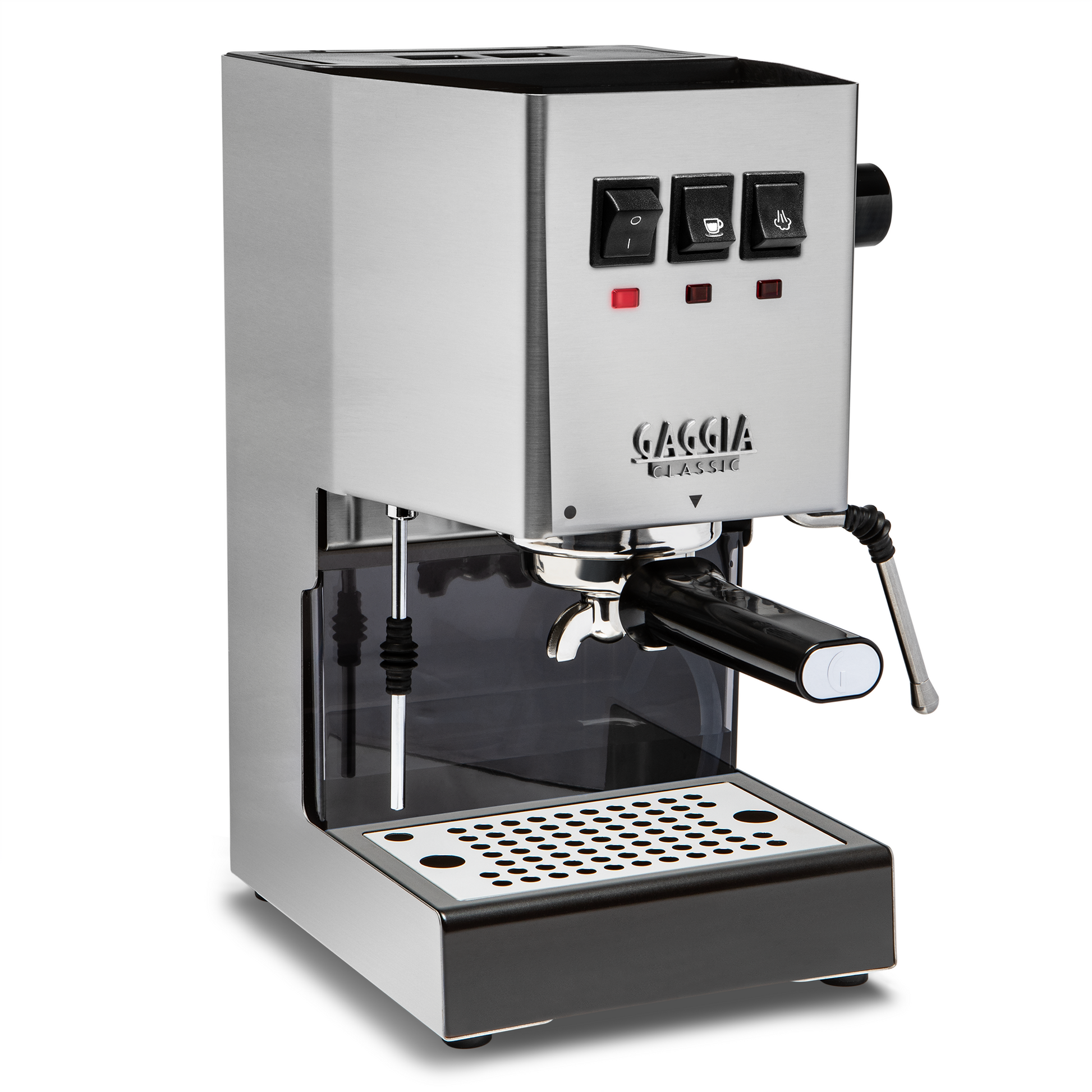
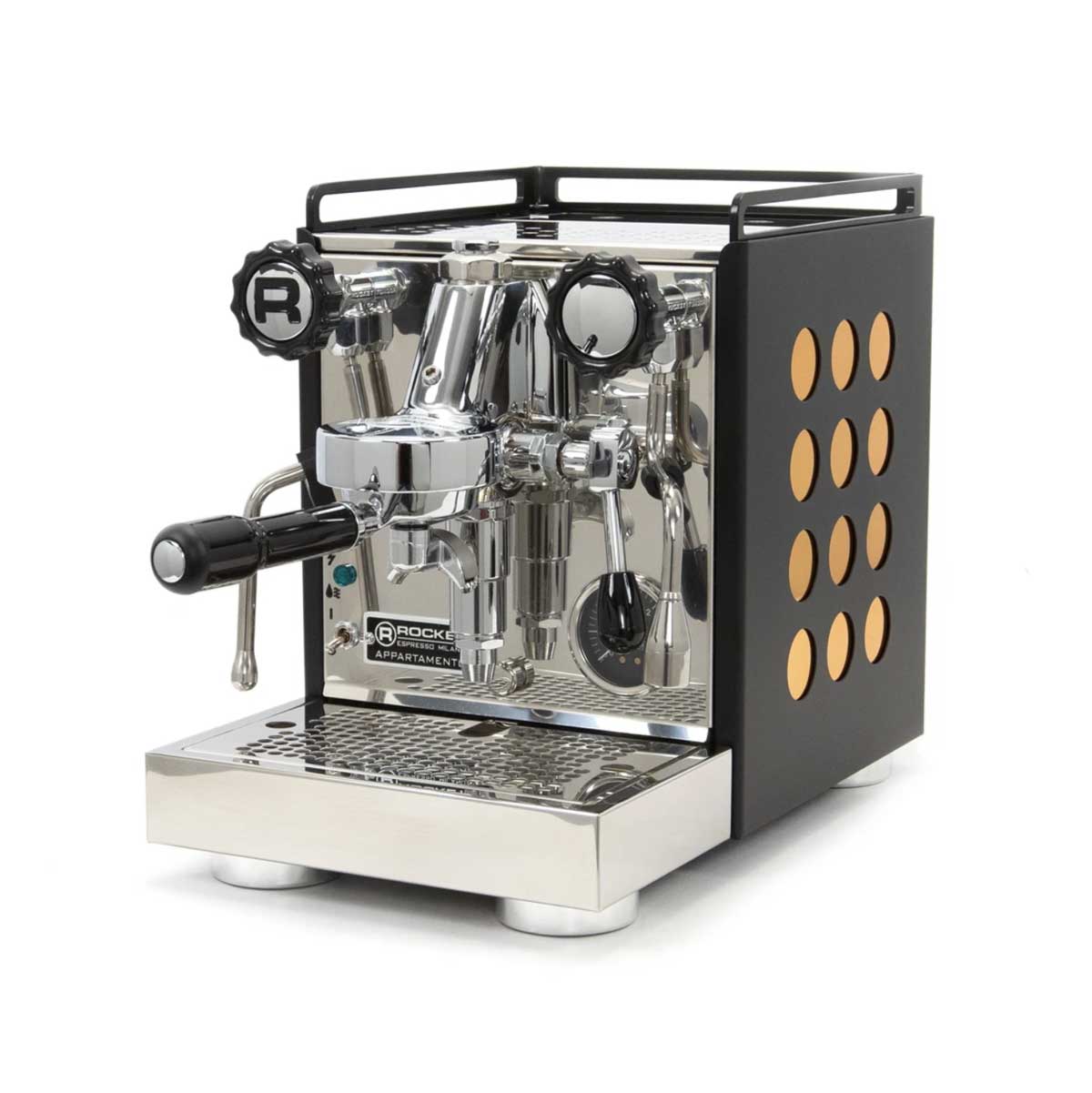
Gaggia Classic Pro vs Rocket Appartamento.

Prices verified today

Affiliate links · How we make money

At this price point, your limiting factor isn't the machine—it's your grinder. A $1,900 espresso machine paired with a blade grinder produces worse shots than a $500 machine with a quality burr grinder. Spend half your budget on the machine, the other half on grinding. This is non-negotiable.

The machines here range from entry-level manual lever work to semi-automatic convenience. What changes is consistency, steam power, and build quality. None of them will make espresso for you. You will always pull the shot.

This list is for people willing to develop a genuine skill. It's not for anyone expecting their machine to compensate for technique or a mediocre grinder.

The numbers, in full.

Every spec we've recorded for both machines. Highlighted rows decide most purchases.

SpecGaggia Classic ProRocket Appartamento
Current price
$499
$1,900
MSRP
$499
$1,900
Brand
Gaggia
Rocket Espresso
From
Italy
Italy
Skill level
intermediate
advanced

Common questions.

Is the Rocket Appartamento worth 4x the price of the Gaggia Classic Pro?
The Rocket Appartamento's dual boiler system, PID temperature control, and superior build quality justify the cost if you're making 5+ espressos daily or prioritize consistency; the Gaggia Classic Pro is excellent for beginners and casual users willing to learn manual temperature management. The Rocket also steams milk faster and more reliably, which matters significantly if milk drinks are your main focus.
Can a beginner succeed with the Gaggia Classic Pro or should I jump to the Rocket Appartamento?
The Gaggia Classic Pro is ideal for beginners—it's forgiving, affordable, and teaches fundamental espresso skills without overwhelming complexity. Jump to the Rocket Appartamento only if you have $1,900 to spend upfront and want to skip the learning curve; otherwise, master the Gaggia first and upgrade later.
What's the main practical difference between these machines for daily workflow?
The Gaggia Classic Pro requires you to wait 30-45 seconds between shots for temperature recovery and manual temperature surfing; the Rocket Appartamento's dual boilers let you pull shots and steam milk simultaneously with consistent temperature. This makes the Rocket significantly faster for making multiple drinks back-to-back.
Does the Gaggia Classic Pro's smaller portafilter hurt shot quality compared to the Rocket Appartamento?
The Gaggia's 58mm portafilter is smaller than the Rocket's standard size, limiting basket options and slightly reducing thermal stability, but it still produces excellent espresso with proper technique. You'll notice the difference mainly in consistency and ease of dialing in, not necessarily in the final cup quality.
Is the Rocket Appartamento's PID temperature control actually necessary or marketing hype?
PID control eliminates temperature surfing and guesswork, making every shot consistent without user intervention—it's genuinely valuable, not hype. The Gaggia Classic Pro forces you to manually manage temperature, which is learnable but adds a skill barrier that the Rocket removes entirely.

Editor's verdict

Default pick: Gaggia Classic Pro. Single-boiler, tight footprint, forces intentional workflow—perfect if you're dialing in espresso fundamentals without distractions. The learning curve is real, but so is the clarity.

More counter space: Rocket Appartamento. Heat exchanger eliminates temperature surfing; you're pulling shots and steaming milk back-to-back without waiting. Essential if milk drinks are daily routine, not occasional.

Stretch budget: Lelit Victoria or Rancilio Silvia Pro X. Dual boiler means simultaneous espresso and steam. Only justified if you're pulling 3+ milk drinks per session—otherwise you're paying for convenience you won't use.