Skip to content
The Plug

A side-by-side reading —

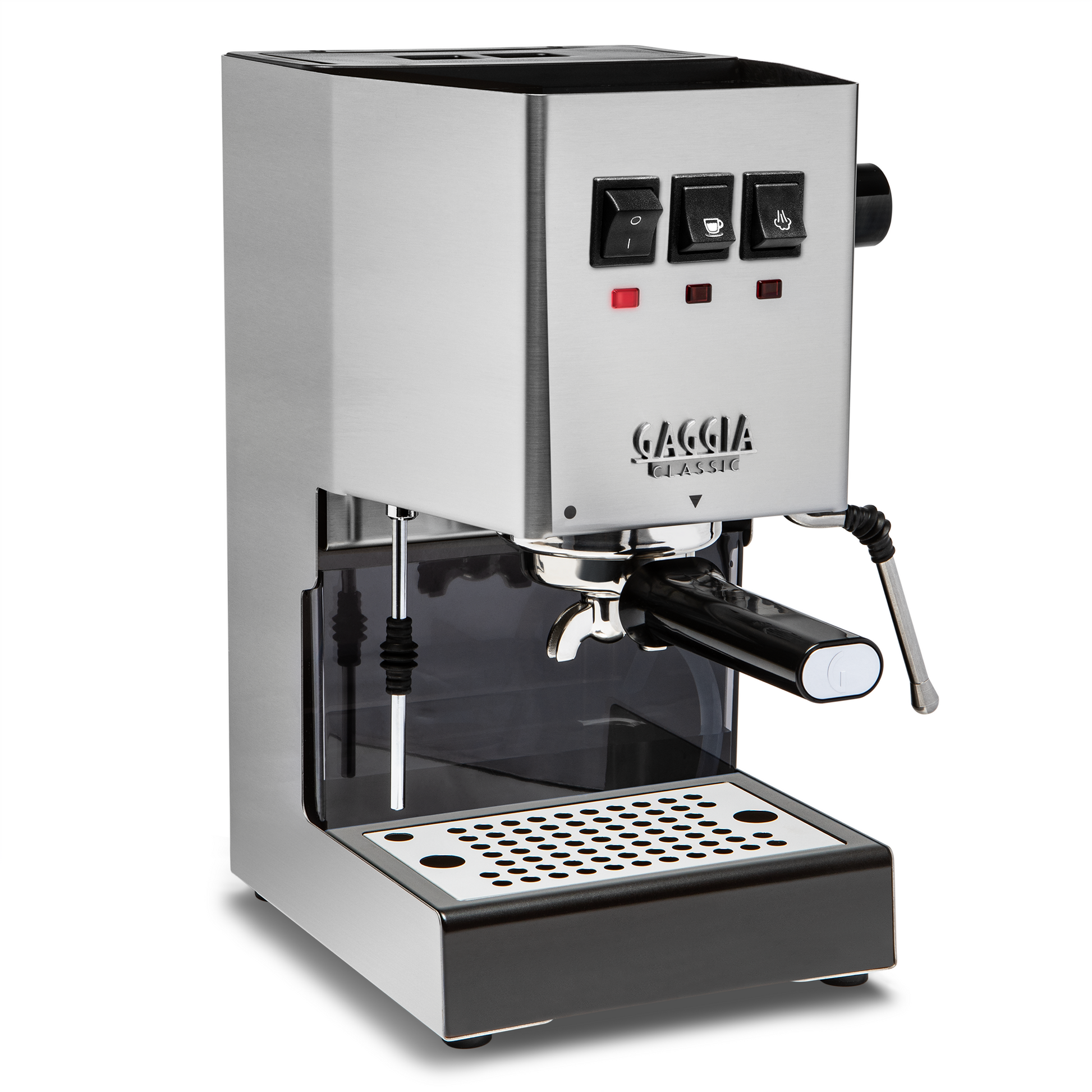
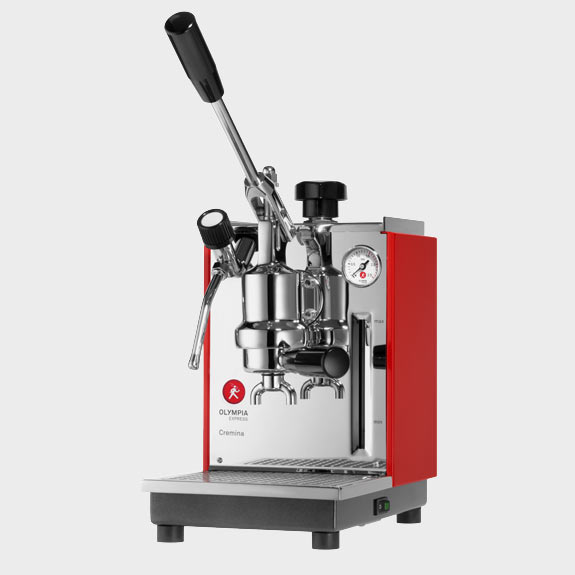
Gaggia Classic Pro vs Olympia Cremina.

Prices verified today

Affiliate links · How we make money

At this price range, your limiting factor isn't the machine—it's your grinder. A $5,500 espresso machine paired with a $200 grinder is a waste. A $500 machine with a $2,000 grinder will teach you more. Budget 40–50% of your total spend on grinding, or accept that you're buying an aspirational showpiece, not a tool.

This list spans entry-level lever machines to semi-automatic powerhouses. Some require constant technique refinement. Others dial in and stay dialed. Your choice depends on whether you want a hobby or a ritual.

For: People committed to grinding fresh daily and developing tamping consistency. Not for: Anyone hoping the machine does the work for you.

The numbers, in full.

Every spec we've recorded for both machines. Highlighted rows decide most purchases.

SpecGaggia Classic ProOlympia Cremina
Current price
$499
$5,500
MSRP
$499
$5,500
Brand
Gaggia
Olympia Express
From
Italy
Switzerland
Skill level
intermediate
enthusiast

Common questions.

Is the Olympia Cremina really worth 11 times the price of the Gaggia Classic Pro?
The Olympia Cremina justifies its cost through superior build quality, temperature stability, lever-driven espresso control, and a 50+ year lifespan versus the Classic Pro's 5-10 years. If you're making 2-3 espressos daily and plan to keep your machine for decades, the Cremina's lower maintenance and consistent results offset the upfront investment.
Which machine is better for a beginner espresso maker?
The Gaggia Classic Pro is the clear choice for beginners—its lower price lets you learn without major financial risk, and its simple workflow teaches fundamental espresso technique. The Olympia Cremina's lever requires more finesse and body awareness, making it better suited to intermediate users who already understand pressure and tamping.
Does the Olympia Cremina's lever system actually give you better espresso than the Gaggia Classic Pro's pump?
The lever on the Olympia Cremina provides superior pressure control and a more intuitive feedback loop, resulting in more nuanced extraction and crema quality than the Classic Pro's fixed-pressure pump. However, the Classic Pro produces excellent espresso for the price—the difference matters most if you're dialing in multiple single-origin shots daily.
What's the biggest maintenance headache with each machine?
The Gaggia Classic Pro's heating element can fail after 5-10 years and requires partial disassembly to replace, plus its grouphead can corrode without regular backflushing. The Olympia Cremina is nearly maintenance-free due to its lever design and all-metal construction, though its higher price means repairs cost more if something does break.
Can I upgrade or modify the Gaggia Classic Pro to compete with the Olympia Cremina?
You can improve the Classic Pro with a PID temperature controller ($100-200) and better burr grinder, but you'll still hit a ceiling around $800-1000 total—the Cremina's lever mechanics and thermal mass simply can't be retrofitted. Upgrades make sense if you're committed to the Classic Pro, but they won't close the gap to Cremina-level consistency.

Editor's verdict

The Gaggia Classic Pro is your default. It's manual-lever espresso at a price that won't wreck your budget, perfect if you're single-dosing and want tactile control without commitment. Jump to the Olympia Cremina only if you've got serious counter real estate and pull milk drinks daily—its saturated group and lever mechanics deliver consistency that justifies the investment. There's no middle ground here: you're choosing between learning espresso affordably or committing to lever mastery as your permanent workflow.