A side-by-side reading —
ECM Synchronika vs Gaggia Classic Pro.
Affiliate links · How we make money
At this price, you're buying consistency, not just extraction. The gap between a $500 machine and a $3,500 one isn't dramatic shots—it's repeatability. A solid boiler holds temperature. Good group head design minimizes thermal swings. Reliable pumps don't drift. These things matter when you're pulling your third shot at 6 a.m. and need it to taste like the first one.
You'll also notice build quality. Better machines use brass instead of plastic. They're repairable. Parts exist in five years.
This list is for people ready to invest in consistency and longevity. It's not for espresso tourists or anyone still figuring out if they actually want espresso at home.
ECM
ECM Synchronika

Current price
$3,599
Gaggia
Gaggia Classic Pro
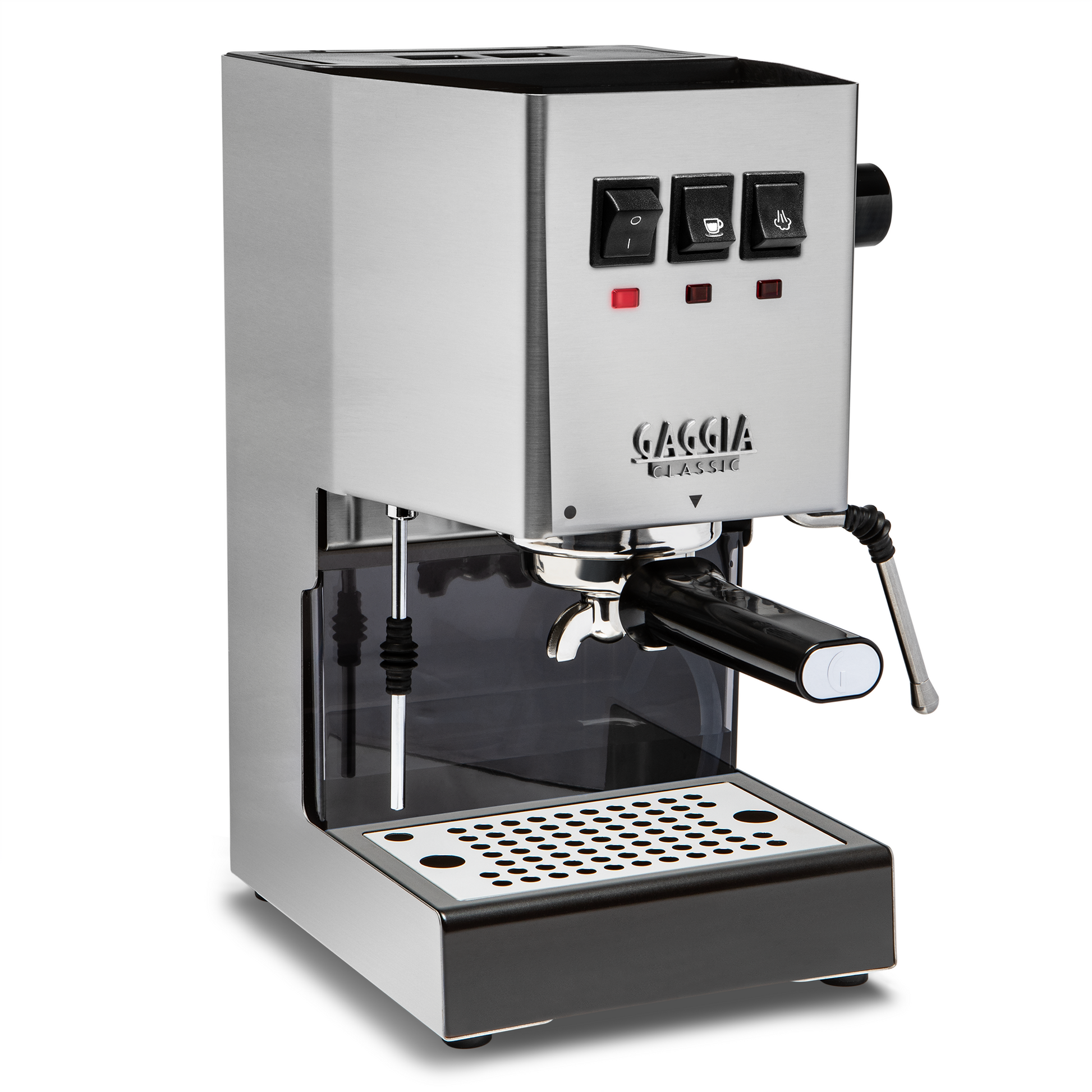
Current price
$499
The numbers, in full.
Every spec we've recorded for both machines. Highlighted rows decide most purchases.
- Current price
- $3,599
- $499
- MSRP
- $3,699
- $499
- Brand
- ECM
- Gaggia
- From
- Germany
- Italy
- Skill level
- enthusiast
- intermediate
Common questions.
- Is the ECM Synchronika worth 7 times the price of the Gaggia Classic Pro?
- The Synchronika's dual boiler system, PID temperature control, and rotary pump justify the cost if you're making 20+ drinks daily or want zero compromises on consistency and workflow. For casual home use (5-10 drinks weekly), the Gaggia Classic Pro delivers excellent espresso at a fraction of the price, though it requires more manual temperature management.
- Can a beginner use the Gaggia Classic Pro without frustration?
- Yes, but expect a learning curve with manual temperature surfing and a smaller steam wand that takes patience to master milk texturing. The Classic Pro rewards practice quickly, making it ideal for beginners willing to invest time in technique over the first month.
- What's the main workflow difference between these two machines?
- The ECM Synchronika lets you pull shots and steam milk simultaneously without waiting for temperature swaps, while the Gaggia Classic Pro requires you to wait 30-60 seconds between espresso and steaming. This matters significantly if you're making multiple drinks back-to-back.
- Does the Gaggia Classic Pro need upgrades to compete with the Synchronika?
- No—the stock Classic Pro produces cafe-quality espresso and milk drinks without modifications, though many owners add a PID or OPV upgrade for around $150-300 if they want more control. The Synchronika has these features built-in, eliminating the upgrade tinkering entirely.
- Which machine is better if I want to minimize daily maintenance?
- The ECM Synchronika with its larger water tank and more stable boiler system requires less frequent refilling and temperature adjustments throughout your day. The Gaggia Classic Pro needs daily attention to water levels and temperature management, making it less convenient for high-volume use.
Where else to look —
Cross-references.
Pair each with a grinder
Editor's verdict
The Gaggia Classic Pro is your default. It's the only machine here that actually fits a home budget, pulls decent shots, and forces you to dial in properly—no shortcuts. If you're serious about espresso fundamentals without financial regret, start here.
The ECM Synchronika is the "stretch budget" pick, but only if milk drinks dominate your routine. Its dual boiler eliminates steam-while-shot workflow friction that plagues single-boiler machines. At $3,599, you're paying for convenience, not necessarily better espresso. The Gaggia will pull equally good shots; you'll just wait between milk steaming and pulling the next one.
There's no "more counter space" option here—these machines define different tiers entirely. Don't bridge the gap with a mid-range machine. Master the Gaggia first. Upgrade only when its limitations (no simultaneous brew/steam) actually slow your workflow, not your wallet.